
Complete Guide to Compressor Fleet Management
How to Increase Production, Optimize Power Savings, Increase Reliability, and Reduce Emissions
CHAPTER 2
Optimizing for Higher Production: Unlocking Greater Output Through Compressor Data and Technology
Why Production Optimization Matters
Production efficiency is directly tied to compressor performance. When compressors are properly loaded, configured, and maintained, they enable consistent gas flow and maximize throughput. When they are not, they quietly limit production, even while running.
In many operations, production losses are not caused by equipment failures, but by compressors operating below their potential. Poor utilization, restrictive control settings, and reactive maintenance practices create bottlenecks that reduce throughput and prevent production targets from being met.
Optimizing compressor performance allows organizations to increase production without adding new equipment or capital investment.
The Link Between Compressor Performance and Production
An optimized compressor fleet maintains stable suction and discharge conditions, minimizes bottlenecks, and delivers gas at the required volumes and pressures. Underperforming compressors, however, can restrict flow, increase inlet pressures, and reduce the effective drawdown on wells.
Even small inefficiencies such as partially closed control valves or suboptimal cylinder loading can have a measurable impact on production across a system.
Understanding where and why these inefficiencies occur is the first step toward unlocking additional production. 
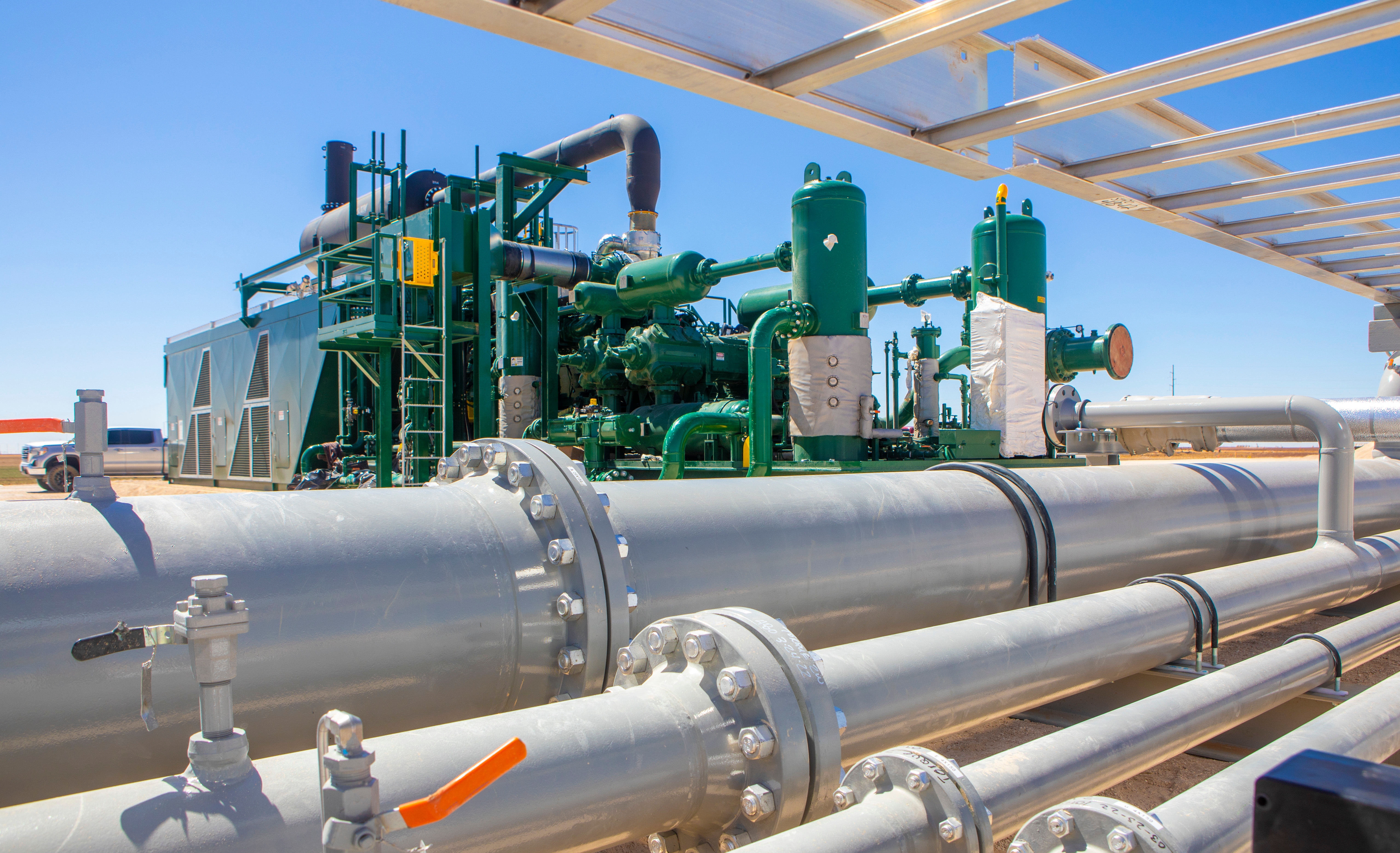
Figure 1: Compressor Station in Northern Alberta
Identifying Production Bottlenecks
Production bottlenecks typically originate from a small number of common issues. Identifying these conditions early allows operations teams to take corrective action before production is impacted.
-
Low utilization
Compressor utilization is driven by both power utilization and cylinder utilization. When either is below optimal levels, the asset may have unused production capacity. Comparing actual operating conditions against optimal loading highlights opportunities for improvement. -
Restricted suction control
A suction control valve that is not fully open often indicates that production is being limited. In many cases, this restriction can be addressed through control setpoint adjustments or configuration changes rather than mechanical intervention. -
Reactive maintenance practices
When maintenance is performed only after a failure occurs, downtime is extended and production losses increase. Reactive repairs often disrupt operations more than planned maintenance events.
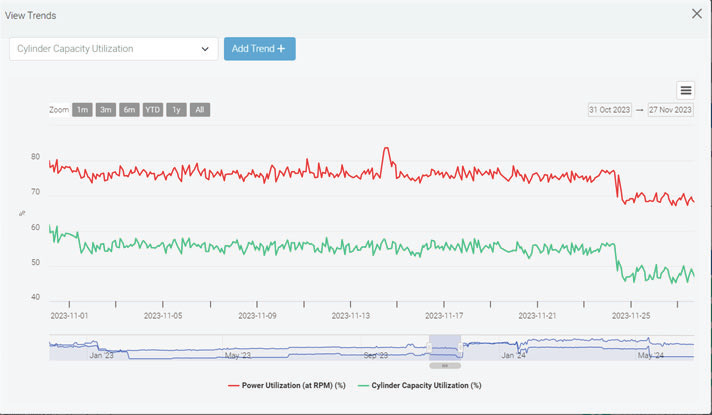
Figure 2: Cylinder and Power Utilization as calculated by Enalysis of a Gas Gathering Asset in Northern Alberta
Strategies to Optimize Production
Increasing production requires a combination of real-time visibility, predictive insight, and fleet-level analysis. The following strategies address the most common sources of lost production.
-
Real-Time Monitoring
Continuous monitoring of key parameters such as suction pressure, discharge pressure, load, temperature, and runtime provides immediate visibility into compressor performance. This allows operators to identify inefficiencies and respond before production is affected. -
Predictive Maintenance
Analyzing performance trends enables teams to anticipate failures before they occur. Indicators such as rising vibration, abnormal temperatures, or declining efficiency often signal developing issues that can be addressed during planned maintenance windows. -
Fleetwide Performance Analysis
Comparing performance across multiple compressors highlights underutilized or inefficient assets. This enables operators to rebalance workloads, adjust configurations, and maximize overall fleet output rather than optimizing individual units in isolation.
How to Optimize Production
Once an opportunity to increase production is identified, the next step is determining how the compressor should be configured to meet production goals.
In the example shown in Figure 3, the current operating point is compared against an optimized loading configuration with full cylinder utilization. This analysis shows that the unit has the potential to either:
-
Deliver the same volume at a lower suction pressure, or
- Deliver a higher volume at the same suction pressure
Once an opportunity to increase production is identified, the next step is determining how the compressor should be configured to meet production goals.

Figure 3: Optimized Loading Configuration Compared to the Current Operating Point
To act on this opportunity, operations teams typically follow a structured process that may include:
- Completing the required Management of Change (MOC) procedures
- Shutting down the equipment
- Making configuration adjustments, such as modifying pocket settings
- Updating control logic and safety shutdown parameters
In this case, the operations team implemented the optimized configuration. The result was increased utilization, a reduction in station inlet pressure, and a production increase of 6.8 e³m³/day (240 MSCFD). The increase was attributed to improved drawdown resulting from the lower inlet pressure.
Technology as a Production Enabler
Modern fleet management technology plays a critical role in identifying and sustaining production improvements. Advanced software platforms provide fleetwide visibility, performance benchmarking, and decision-support tools that enable data-driven optimization.
By aggregating and analyzing operational compressor data, teams can:
- Identify underperforming assets
- Validate optimization opportunities
- Track results over time
- Sustain gains through continuous monitoring
Organizations that implement these strategies have reported production increases of up to 15%, achieved without additional capital investment.
The key is not simply collecting data, but using it to guide actionable decisions that improve how compressors are configured and operated.
CHAPTER 3
Optimizing for Power Savings: Reducing Energy Costs While Enhancing Compressor Efficiency
Why Power Optimization Matters
Energy costs represent one of the largest operating expenses in oil and gas operations, and compressors are among the biggest energy consumers on site. In many facilities, compression accounts for up to 50% of total energy usage.
When compressors operate inefficiently by bypassing gas, running outside optimal load ranges, or compensating for mechanical degradation, energy consumption increases without adding production value. These inefficiencies directly reduce profitability and increase emissions.
Optimizing power usage is not only an operational improvement; it is a financial and environmental imperative.
The Cost of Inefficient Energy Use
Inefficient energy use occurs when compressors perform unnecessary work. This often happens when gas is compressed, bypassed, and recompressed, or when mechanical losses increase due to wear or poor configuration.
Common consequences of inefficient energy usage include:
- Higher fuel or electricity costs
- Increased wear on equipment
- Elevated emissions
- Reduced overall system efficiency
Without visibility into energy performance, these losses can persist unnoticed for extended periods.
Identifying Sources of Power Inefficiency
Power inefficiencies typically stem from a small number of recurring issues. Identifying and addressing these conditions can result in immediate energy savings.
Figure 4: Sources of Energy Saving Opportunities within Reciprocating and Rotary Screw Compressors
Key sources of power inefficiency include:
-
Gas bypass at high utilization
Bypassing gas forces compressors to process more volume than required, consuming additional energy without increasing sales volume. This is often the largest contributor to excess power consumption and is commonly caused by suboptimal control setpoints or configuration. -
High interstage pressure drops
Excessive pressure drops between stages may result from fouled coolers, plugged piping, or flow restrictions. These conditions increase compression work and can accelerate equipment damage. -
Cylinder blowby
Blowby occurs when gas slips past piston rings or valves, or when restrictions exist within or immediately outside the cylinder. This recompression increases power consumption and reduces efficiency. -
Over- and under-compression in screw compressors
When screw compressors are mismatched to discharge conditions, they perform unnecessary work. Under-compression forces discharge gas back into the rotors, while over-compression raises gas pressure beyond what the system requires. Both scenarios waste energy. -
Lack of energy consumption visibility
Without monitoring, identifying inefficiencies and quantifying their impact becomes difficult, delaying corrective action.

Figure 5: Using a Detechtion Curve to Identify an Over-Utilized Compressor
Strategies to Reduce Energy Consumption
Reducing power consumption requires targeted actions that eliminate waste and improve operational efficiency. The following strategies address the most common causes of excess energy use.
1. Bypass Reduction
Gas bypass is often the single largest source of wasted energy. When bypass events occur frequently, control setpoints and compressor configurations should be reviewed to ensure the asset is operating at its optimal loading condition.
2. Preventive Maintenance
Routine maintenance, such as cleaning filters, inspecting valves, replacing seals, and maintaining alignment, prevents efficiency losses caused by mechanical wear. Well-maintained compressors require less energy to deliver the same output.
3. Exception-Based Monitoring and Analytics
Advanced analytics can automatically identify abnormal conditions such as high interstage pressure drops, cylinder blowby, and over- or under-compression. Exception-based monitoring allows teams to focus on assets that require attention rather than reviewing large volumes of data.
4. Energy Monitoring Systems
Digital energy monitoring provides visibility into consumption trends and performance deviations. Tracking energy use over time helps quantify savings, validate optimization efforts, and sustain improvements.
Business Impact of Power Optimization
Organizations that implement structured power optimization strategies frequently achieve energy cost reductions of 10-20%. These savings translate directly into improved margins and reduced emissions, often without capital investment.
In addition to cost savings, reducing unnecessary energy consumption lowers thermal and mechanical stress on equipment, supporting longer asset life and improved reliability.
CHAPTER 4
Optimizing for Fleet Reliability: Proactive Strategies to Minimize Downtime and Extend Compression Asset Life
Why Reliability Matters
Reliability is a cornerstone of effective compressor fleet management. Unplanned downtime not only interrupts production but also increases operating costs, strains maintenance resources, and shortens equipment life.
In many operations, reliability issues are not caused by sudden failures, but by conditions that develop over time and go unnoticed. Without early visibility into these conditions, minor issues escalate into catastrophic failures that could have been prevented.
Improving reliability requires shifting from reactive repairs to proactive, data-driven maintenance strategies.
The Cost of Unreliable Compressors
When compressors fail unexpectedly, the impact extends well beyond the equipment itself. Common consequences include:
- Lost production revenue
Downtime halts or restricts gas flow, resulting in immediate financial losses. - Higher maintenance costs
Emergency repairs are more expensive than planned maintenance and often require expedited parts and labor. - Operational disruption
Reactive repairs pull personnel away from scheduled work and reduce overall workforce efficiency.
Failures such as damaged cylinder valves or piston rod failures (Figures 6 and 7) are common examples of how undetected degradation can lead to significant downtime and repair costs.

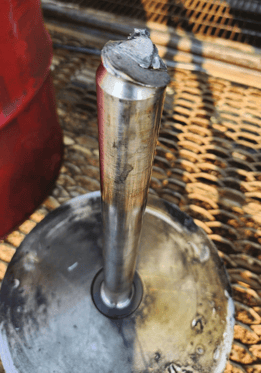
Figure 6: Damaged Compressor Cylinder Valve Figure 7: Catastrophic Failure of a Compressor Cylinder Piston Rod
Measuring Reliability Performance
To improve reliability, organizations must first measure it. Several key metrics are commonly used to track compressor reliability:
-
Runtime Percentage
Indicates how often a compressor is operating versus offline. -
Mean Time Between Failures (MTBF)
Measures the average operating time between failures, providing insight into asset health. -
Mean Time to Repair (MTTR)
Tracks how quickly equipment is returned to service after a failure. -
Planned vs. Unplanned Maintenance
A higher ratio of planned maintenance indicates a more reliable and predictable operation.
Tracking these metrics over time helps teams identify trends and prioritize improvement efforts.
Moving from Reactive to Proactive Reliability
Improving reliability requires early detection of developing issues and timely intervention. Proactive strategies focus on identifying abnormal conditions before failures occur.
1. Predictive Maintenance
Predictive maintenance uses performance data to anticipate equipment failures. Trends such as increasing horsepower usage, declining efficiency, or abnormal temperature patterns often indicate emerging issues that can be addressed during planned outages.
2. Condition Monitoring
Continuous monitoring of key parameters such as pressure, temperature, vibration, speed, and loading provides early warning of abnormal operation. Detecting deviations from normal behavior allows teams to correct issues before they escalate.
3. Optimized Maintenance Scheduling
Maintenance schedules based on actual equipment condition and runtime are more effective than fixed interval approaches. Condition-based scheduling ensures maintenance is performed when needed, reducing unnecessary work while extending asset life.
| Flagging Criteria | Warning Threshold |
| Horsepower Used (Max) (Driver) | > 100% Min (Driver,Frame) |
| Horsepower Used (Min) | < 30% Driver |
| Horsepower Used (Max) (Frame) | > 100% Min (Driver,Frame) |
| Driver RPM (Max) (Gas) | > 100.5% Driver |
| Driver RPM (Max) (Electric) | > 100.5% Driver |
| Driver RPM (Min) | < 100% Min Driver RPM |
| Compressor RPM (Max) | > 100.5% Frame |
| Compressor RPM (Min) | < 100% Min Frame RPM |
| Bypass Control Valve Open | > 2% |
| Suction Control Valve Open | < 98% |
| Oil Filter Change | > Max Oil Change |
| Top End Overhaul | > Top End Hours |
| Bottom End Overhaul | > Bottom End Hours |
| Compressor Overhaul | > Compressor Hours |
| Blowby (Double-Acting) | > 7% |
| Blowby (Single-Acting) | > 15% |
| Gauge Maintenance | < 1 (<-7% Blowby) |
| Static Rod Load | > 95% Static Rating |
| Dynamic Rod Load | > 95% Dynamic Rating |
| Min Degrees of Reversal | < 70° Min Degrees of Reversals |
| Min Net Ratio | < 40% Net Ratio |
| Head End Volumetric Efficiency | < 20% |
| Hydrate | (Ts-Thydrate) <= 25 |
| Discharge Temperature | > Min(Piping/Valve/Cooler) - 10°F |
| Suction Pressure | > 90% of Min(Next Stage: Cylinder/Piping/Cooler/PSV) |
| Discharge Pressure | > 90% of Min(Cylinder/Piping/Cooler/PSV) |
Using Data to Detect Reliability Risks
Advanced monitoring systems evaluate a wide range of operating conditions to flag potential reliability risks. These alerts help operations and maintenance teams focus on assets that require attention.
Common indicators used to detect developing issues include:
-
Excessive horsepower usage relative to driver or frame limits
- Abnormal compressor or driver speeds
- Frequent or sustained bypass conditions
- Restricted suction control
- Excessive cylinder blowby
- Approaching overhaul or maintenance hour limits
- High rod loads or reduced degrees of reversal
- Elevated discharge temperatures or pressure limits
By automatically flagging these conditions, teams can prioritize inspections, plan maintenance activities, and avoid unplanned failures.
Reliability as a Competitive Advantage
Organizations that improve compressor reliability gain more than reduced downtime. Predictable operations enable better production planning, safer working conditions, and more efficient use of maintenance resources.
Proactive reliability strategies also support long-term sustainability by extending equipment life, reducing emergency interventions, and improving overall operational stability.